


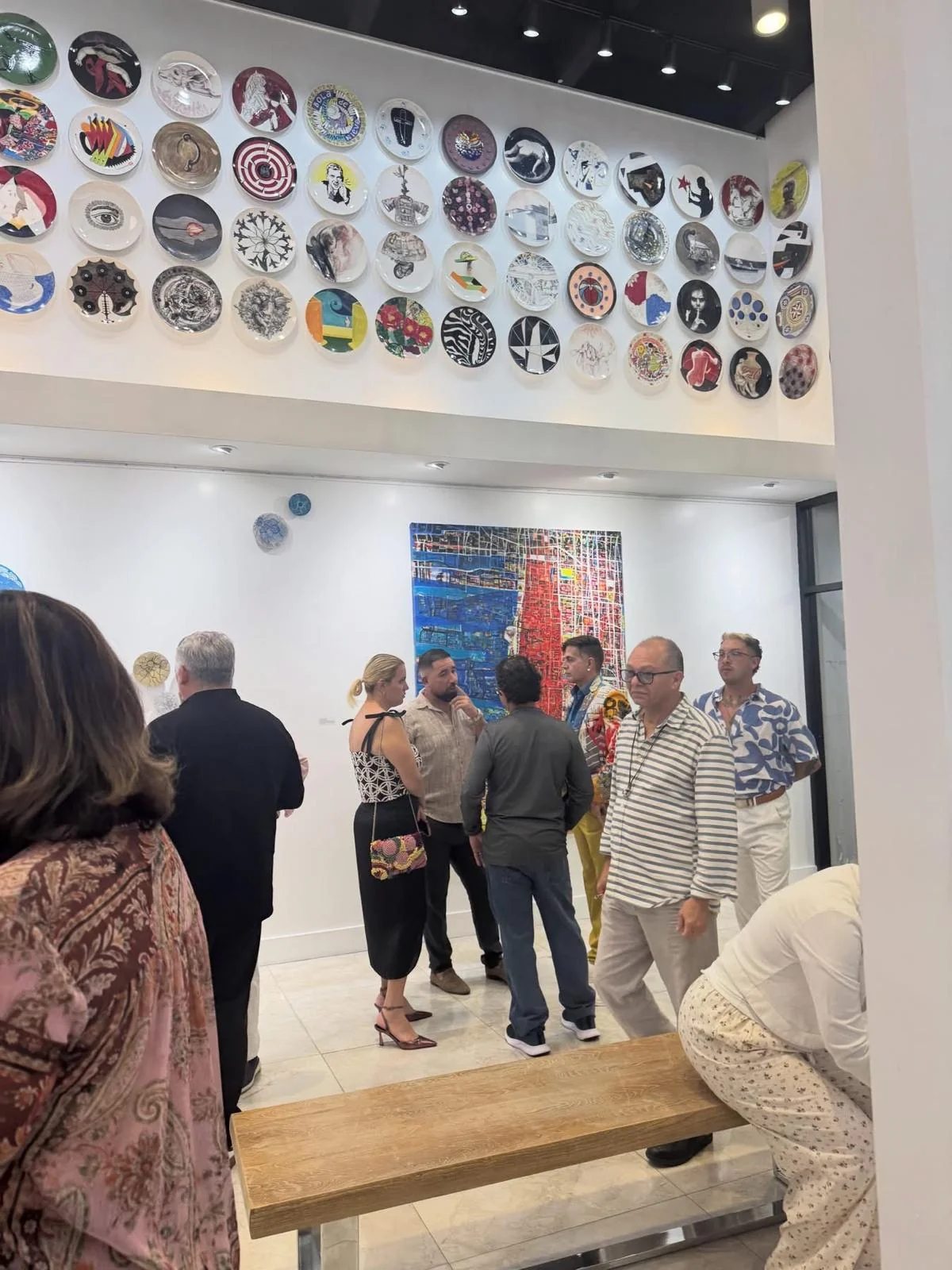
The exhibition Beauty as Protest: The Pattern and Decoration Movement is currently on view at the Museum of Contemporary Art of the Americas (MoCAA), curated by artist Miguel Rodez. The project reflects on the historical impact of the Pattern and Decoration (P&D) movement, which emerged in the 1970s, and examines how it embraced a vibrant aesthetic, textiles, and craft traditions to challenge the hierarchies of an art world traditionally dominated by men. It also explores how the movement and its use of ornamentation directly challenged the austerity of Minimalism and anticipated contemporary currents focused on inclusion and global artistic traditions.
READ MORE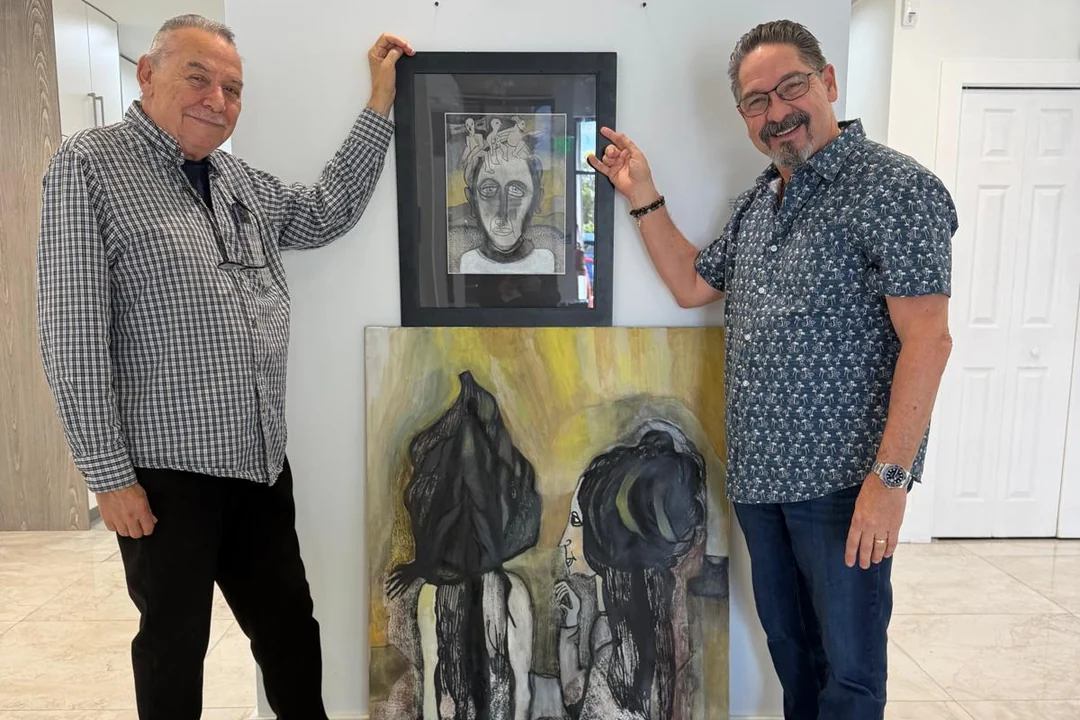
This artist’s work develops a symbolic and expressive figuration that explores the contradictions of the human condition, the relationships between the earthly and the divine, and the different ways in which human beings exercise power, violence or compassion.
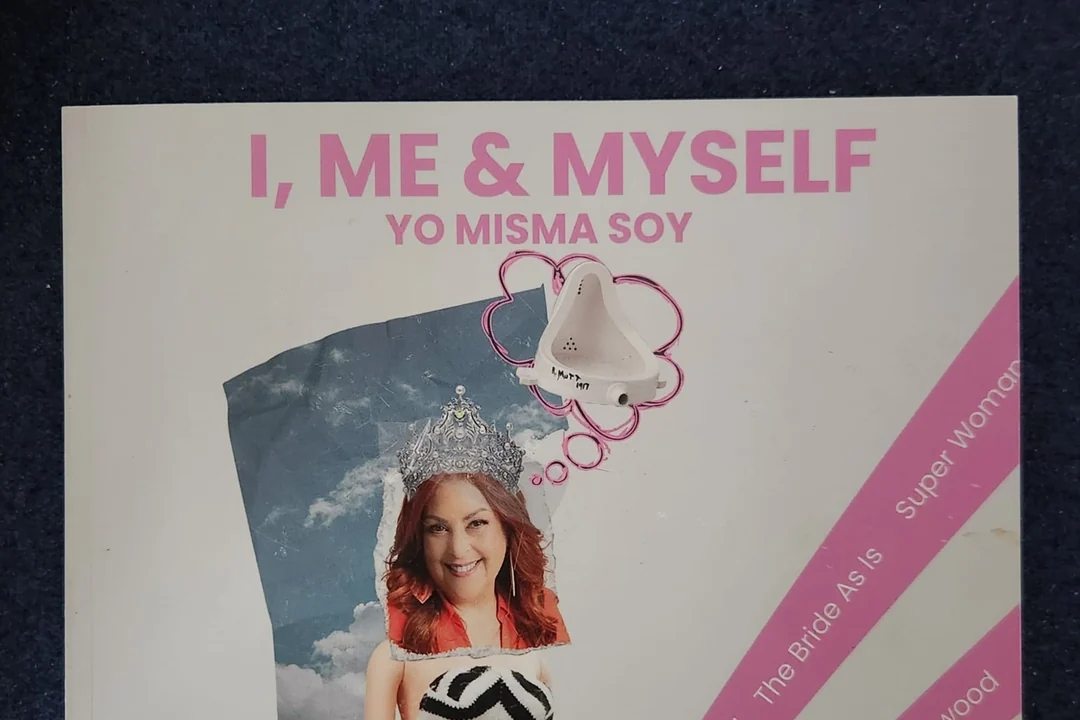
We sincerely thank Andreina Fuentes for this valuable contribution to the MoCA Americas library and for sharing with our museum a publication that enriches access to her work and to the history of contemporary art in our community.

Among the 67 works selected for the exhibition, the installation piece by artist Ivonne Ferrer is one of those that has drawn the greatest interest among visitors to the gallery, especially among younger viewers.

The Museum of Contemporary Art of the Americas (MOCA Americas) is one of the sponsors of the Doral International Art Fair 2026, taking place November 12–15 at the Doral Cultural Arts Center, located at 8363 NW 53rd St, Doral, Florida.

This activity is part of the program of professional exchanges that the Museum of Contemporary Art of the Americas (MoCAA) has begun to develop with the School of Architecture, Habitat, Art and Design of UADY.

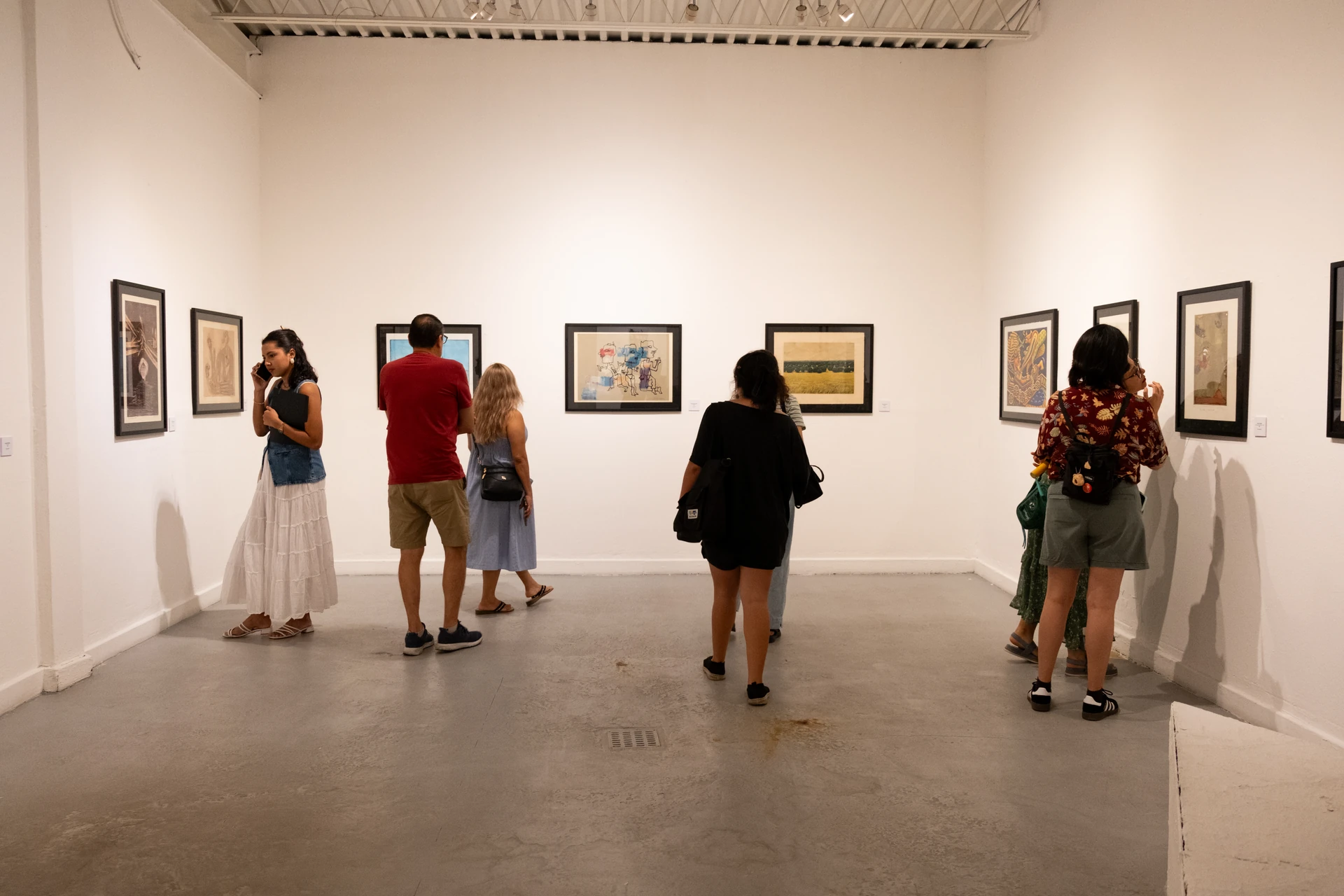
Opened on September 18 at the Museo de la Ciudad de Mérida, MoCAA Collection in Yucatán brings together works by more than 60 Cuban artists in a broad survey spanning the 1960s to the present. Curated by David Mateo, the exhibition includes paintings, prints, photographs, and installations drawn from the museum's holdings. Presented in collaboration with UADY, the show forms part of the program marking the 53rd anniversary of its Facultad de Arquitectura, Hábitat, Arte y Diseño and the 20th anniversary of its Visual Arts program. It will remain on view through October at the Museum of the City of Mérida.
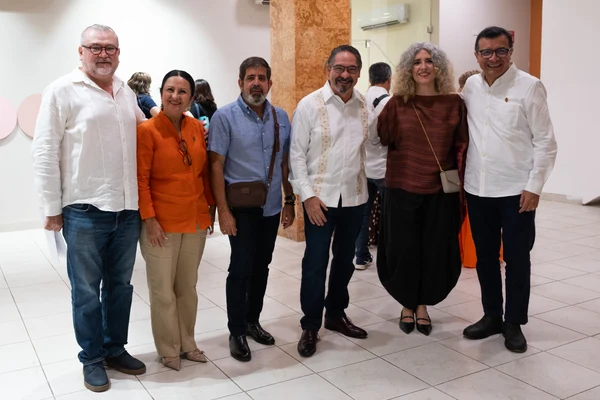
“Geometrías habitadas. Cuerpo, espacio y arquitectura en la obra de Ivonne Ferrer” is the title of the Cuban artist’s exhibition, currently on view in the gallery of UADY’s Faculty of Architecture, Habitat, Art and Design. The exhibition, coordinated by art critic and curator David Mateo, the Museum of Contemporary Art of the Americas, and UADY’s Faculty of Architecture, Habitat, Art and Design, drew a large audience, particularly university students and professors, and will remain open to the public through October in the gallery of the CAHAD Library on the university campus.
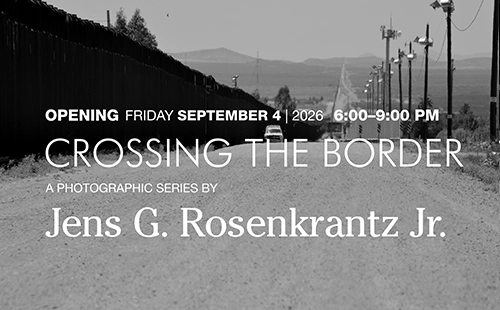
Photographer Jens G. Rosenkrantz Jr. opens Crossing the Border next Friday, September 4, in the main gallery of the Museum of Contemporary Art of the Americas in Miami. This is only the second time this body of photographs, taken along an extensive stretch of the southern border of the United States, has been shown publicly. Its first presentation took place in Cuba, at Fábrica de Arte Cubano, in 2019. The resulting photographic series, Crossing the Border, records fragments of a territory that political discourse attempts to dehumanize and reduce to a line.
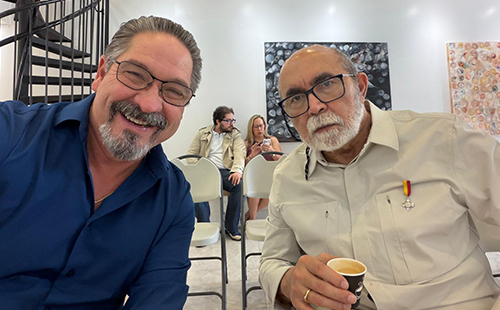
On August 22, the Museum of Contemporary Art of the Americas welcomed a large and diverse audience for the opening of Eclectic, a solo exhibition by Venezuelan artist Freddy Trujillo, presented alongside the launch and signing of The Caregiver’s Heart. Art as a Bridge, by Yamilet Uzcanga Trujillo. The convergence of the two projects transformed the museum into a space where painting, literature, personal experience, and community could inhabit the same conversation. The exhibition and its accompanying presentation remain on view through Wednesday, September 2, 2026.
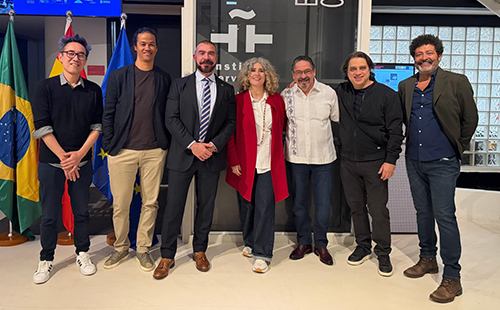
São Paulo, Brazil — July 14, 2026. The Instituto Cervantes São Paulo inaugurated Territorios de Encuentro. Prácticas contemporáneas entre Brasil, Cuba y Puerto Rico, a group exhibition that brings together six artists whose trajectories reflect the movement of people, memories, and visual languages across Brazil, the Caribbean, and the United States. The opening took place at the institution’s Avenida Paulista headquarters, one of São Paulo’s most prominent cultural corridors. Curated by the team of Instituto Cervantes São Paulo, the exhibition features Brazilian artist Gerson Fogaça; Cuban artists based in Brazil Alexis Iglesias and J. Pavel Herrera; Puerto Rican artist Bernardo Medina; and Cuban artists based in Miami Ivonne Ferrer and Nestor Arenas. The exhibition will remain open through August 14, 2026.

On Friday, June 26, the Museum of Contemporary Art of the Americas opened Echoes of Humanity in its main hall, a two-person exhibition by the Cuban painters Tony Rodríguez —Juan Antonio Rodríguez Olivares, Santiago de Cuba, 1980— and Noel Dobarganes —Matanzas, 1977—, brought together in that space for the first time. The evening drew a broad and diverse audience. Family members and friends of the artists joined collectors, fellow artists, cultural workers, and others engaged in the promotion and the everyday labor of the arts, alongside a large gathering of art lovers from across South Florida. Music accompanied the viewing.

The Kendall Art Cultural Center (KACC), dedicated the past six years to the preservation and promotion of contemporary art and artists, and to the exchange of art and ideas throughout Miami and South Florida, as well as abroad. Through an energetic calendar of exhibitions, programs, and its collections, KACC provides an international platform for the work of established and emerging artists, advancing public appreciation and understanding of contemporary art.
READ MORE
The Rodríguez collection is a blueprint of Cuban art and its diaspora. Within the context of the new MoCA-Americas the collection becomes an invaluable visual source for Diaspora identity. It represents a different approach to art history to try to better understand where we come from to better know where we are heading.
READ MORE


